Connect with us

Lifestyle

Police Officers Banned from Dancing While on Duty at Notting Hill Carnival

Published

on

Police Officers Banned from Dancing While on Duty at Notting Hill Carnival
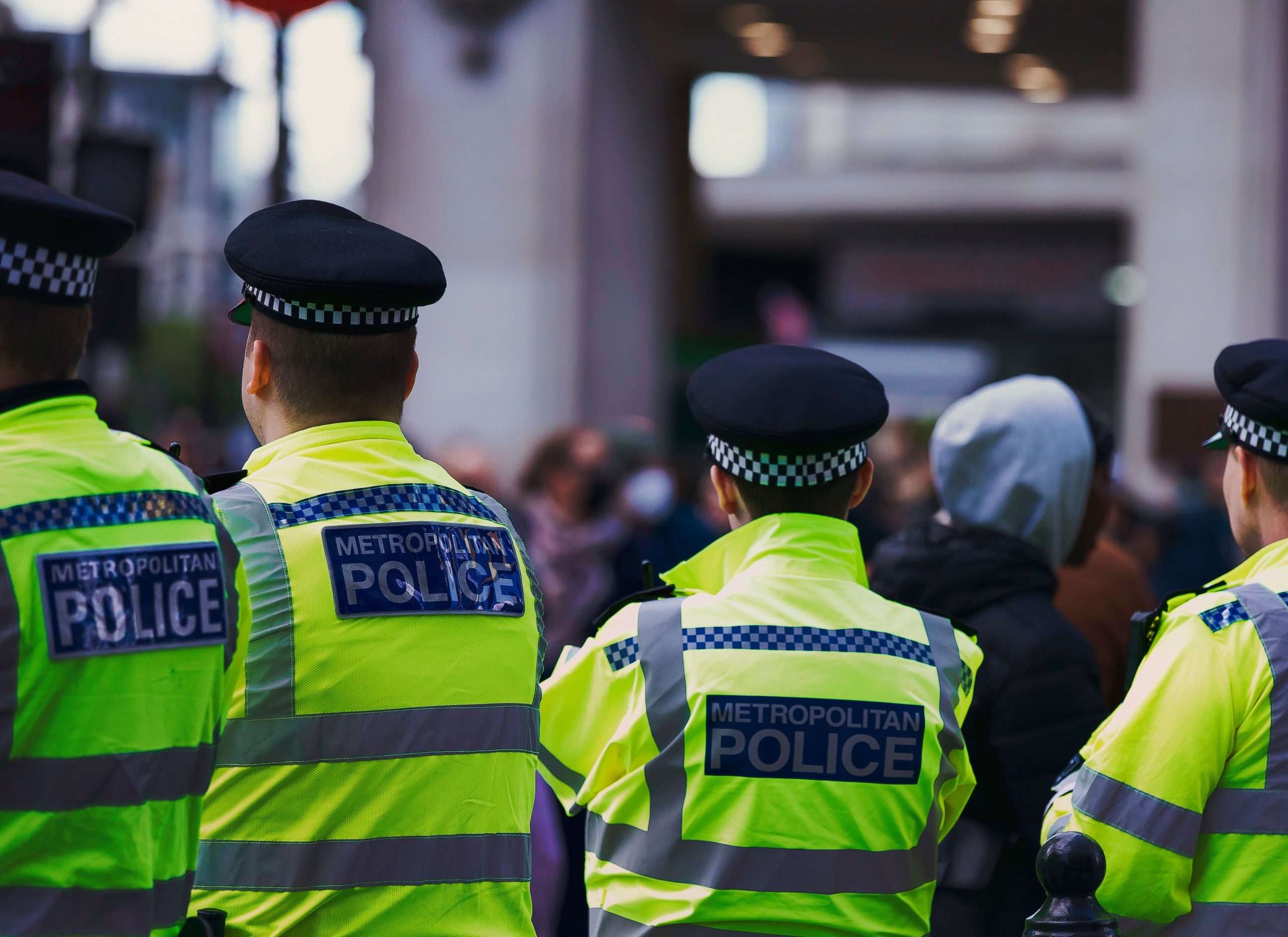
Around 7,000 officers will be deployed to work at Notting Hill Carnival | Photo: David Hawgood.

A new directive from the Metropolitan Police has banned uniformed officers from dancing at this year’s Notting Hill Carnival, citing heightened safety priorities and operational readiness. Ahead of the event—one of Europe’s largest street festivals—the Met reiterated that officers must focus on vigilance, not revelry. Sir Mark Rowley, the Met Commissioner, emphasised caution at the carnival, which is expected to draw around two million visitors, as police brace for thick crowds and potential incidents rather than participate in festivities.

From Entertainment to Enforcement

The dancing ban, first introduced in 2019, has resurfaced this year amid growing security concerns and public order challenges. The decision stems from the alarming violence at previous carnivals—2024 saw two tragic deaths, seven non-fatal stabbings, and 61 assaults on officers. Sir Mark Rowley warned that officers must not be distracted by festivities, or they risk compromising the safety of revellers and themselves.

Safeguarding Amid Strain

Policing Notting Hill Carnival remains a big operation; around 7,000 officers will be deployed this year. Given the event’s scale and unpredictability, maintaining a clear enforcement posture is seen as essential. The Met stressed that officers may positively engage with carnival-goers, but must always be ready to act swiftly and decisively if a situation escalates. A survey by the Metropolitan Police Federation revealed that nearly 90% of officers felt unsafe during earlier carnivals, describing conditions as “hell” and likening the experience to “a war zone”. Meanwhile, the London Assembly’s Police and Crime Committee has expressed serious concerns over crowd management and called for a full review of safety protocols.

Critics argue the dancing ban undermines community policing and erodes goodwill. Guardian columnist Hugh Muir lamented that policing should allow for human connection, even if that means joining in the rhythm occasionally. Muir suggested the ban reflects political optics more than practical necessity—the avoidance of “woke” criticism or perceptions of leniency—rather than improving public safety. Some voices, including London Assembly members, echoed concerns that overly strict restrictions risk distancing the police from the communities they serve, especially at a cultural event rooted in Caribbean heritage and joy.

EuroNewsweek is a dynamic news platform featuring lifestyle, sustainability, successful stories, tech, leadership, creative marketing, business, and the unstoppable people behind them.

Lifestyle

243 arrests made on first full day of Notting Hill Carnival 2026

Published

on

243 arrests made on first full day of Notting Hill Carnival 2026
More than 7,000 officers were deployed for the Notting Hill Carnival this year| Photo: Bob Jenkin

The Metropolitan Police has confirmed 243 arrests were made during the first full day of Notting Hill Carnival 2026, as the major policing operation continues across west London on Bank Holiday Monday.

The updated figure was released at 11am on Monday, 31 August, following Sunday’s Families and Children’s Day celebrations.

Of the 243 arrests, 97 took place on the approaches to Carnival, with the remainder made within the event footprint itself.

A total of 61 arrests resulted from identifications using live facial recognition (LFR), which has been deployed more extensively around Carnival this year.

Live facial recognition leads to 61 arrests

Sunday’s arrests covered drug and weapons offences, sexual offences and assaults, including attacks on emergency workers.

Live facial recognition has played a prominent role in this year’s policing operation. The technology also identified 26 registered sex offenders, allowing officers to check whether they were complying with restrictions placed on them. Three were arrested for breaching those conditions.

Police also responded to two knife assaults during Sunday’s Carnival. One person suffered a slash injury to the leg and another to the hand. Neither injury was described as life-changing or life-threatening.

Commander Claire Smart, who is leading the policing operation, said: “The organisers have stepped forward significantly across the event, including crowd management, and we have seen the positive progress today. While we have seen a significant number of arrests and interventions by officers, the result of that proactive approach is a welcome reduction in the levels of serious violence seen at the event in previous years.”

She added that nobody involved in delivering the event was complacent, with officers remaining across the Carnival footprint as crowds dispersed and continuing their work overnight and into Monday.

More than 7,000 officers deployed for Carnival

More than 7,000 officers are being deployed across west London over the Carnival weekend, with policing continuing throughout Monday’s main Adults Day celebrations.

The operation began well before Carnival itself. More than 330 people considered by police to pose a significant risk were made subject to bail conditions preventing them from attending.

Police also seized weapons during operations ahead of the event, including 66 zombie knives in north-east London. Another operation in east London recovered 10 zombie knives, 30 flick knives and a machete.

A Section 60 order is also in place for the duration of Carnival, giving officers additional stop-and-search powers to look for weapons.

Notting Hill Carnival is celebrating its 60th anniversary this year, with the Met describing Sunday’s atmosphere as “overwhelmingly positive and celebratory”.

The policing operation continues throughout Bank Holiday Monday, with the Met due to release its next update at 8pm.

Continue Reading

Lifestyle

London Waterloo adds dog patrols to security team

Published

on

London Waterloo adds dog patrols to security team
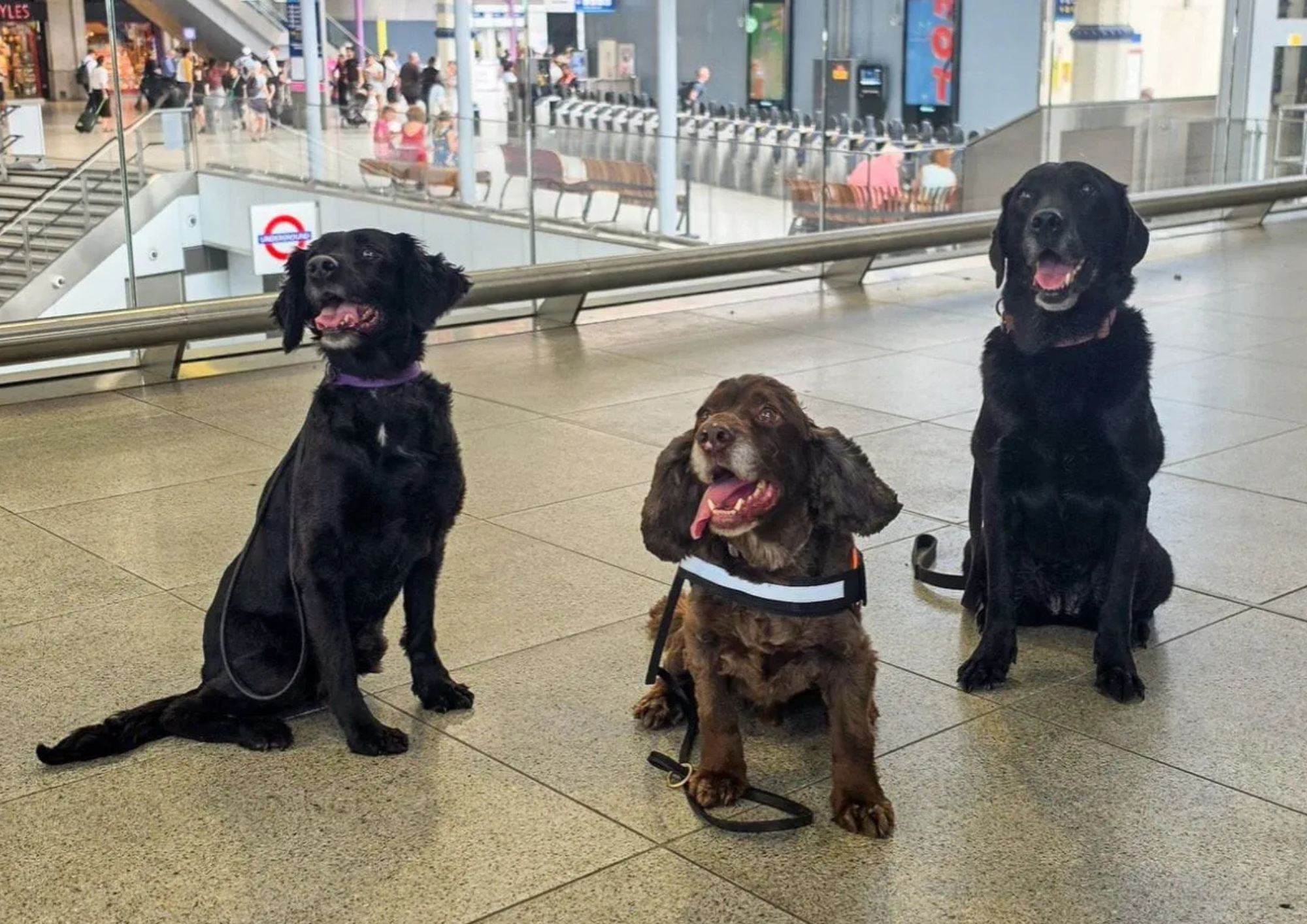
Cocker Spaniels Riley and Buster and Labrador Flo helps patrolling Waterloo station. | Photo: SWR

Passengers at London Waterloo will now see security dogs patrolling the station as part of a new three-month trial. South Western Railway (SWR) says Waterloo is the first major railway station in Britain to introduce regular security dog patrols.

Three experienced dogs have joined the security team: Cocker Spaniels Riley and Buster and Labrador Flo. The dogs started patrols this month and will provide an extra visible security presence. However, SWR says the move does not relate to any increased security threat.

The trial comes at one of Britain’s busiest transport hubs. Official figures show London Waterloo recorded 70.4 million passenger entries and exits in 2024–25. That made it the second-most-used railway station in Great Britain, behind London Liverpool Street. Waterloo also climbed from fourth place the previous year. The figures underline the scale of the security challenge at a station used by millions of passengers each year.

Meet Waterloo’s new security dogs

Riley, 11, Buster, nine, and Flo, 10, already have years of experience as working dogs. Their three-month assignment at London Waterloo will be their final deployment before retirement.

SWR and Network Rail Wessex have partnered with Alpha Canine Specialists for the trial. The company provides certified security dogs and trained handlers.

“Security needs constant innovation and we’re taking positive steps to reassure our customers that we take their safety very seriously,” said Dan Harrison, Station Manager at London Waterloo.

Harrison also stressed that passengers should not view the patrols as a response to a new threat.

“Deploying these dogs is not linked to any increased threat. It’s simply part of providing more visual deterrence and offering our customers some additional reassurance.”

London Waterloo steps up passenger security

Meanwhile, railway bosses have introduced several other measures to improve safety at London Waterloo and across the SWR network.

Staff now use body-worn cameras to help tackle abuse and assaults. In addition, SWR is renewing and upgrading CCTV across its network.

The railway has also invested in a South Bank BID outreach worker. The worker engages with vulnerable young people around London Waterloo.

These efforts have already gained industry recognition. SWR received maximum marks in the British Transport Police’s Safeguarding on Rail Scheme for the past three years. Station staff at Waterloo also wear shared high-visibility uniforms. As a result, passengers can identify staff more easily when they need help.

Continue Reading

Lifestyle

UK Charity provides free coaching for young drivers

Published

on

UK Charity provides free coaching for young drivers
Latest figures show young drivers remain among the highest-risk groups on Britain's roads. Photo: IAM

Young drivers and motorcycle riders aged 17 to 26, have attended a fully funded ‘Skills for the Road’ days at Thruxton Circuit, Andover, last week (5 & 6 August), where they received expert tuition designed to build confidence, improve vehicle control and encourage safer driving and riding behaviours. Additionally, riders were given valuable life-saving skills through event partners DocBike.

The initiative comes as young motorists continue to face a disproportionately high risk of being involved in a collision on Britain’s roads. Department for Transport figures show that young drivers are involved in around one in five serious or fatal car collisions while one in ten motorcycle collisions involve an inexperienced driver; Young male drivers aged 17 to 24 are also four times more likely to be killed or seriously injured than drivers aged 25 and over*.

For young riders, the figures are equally as stark, with more than 1,700 riders under 25 years of age being killed or seriously injured in 2025.

Participants took part in a range of practical sessions covering vehicle handling, hazard awareness, road positioning, observation skills and vehicle maintenance. The training enabled them to safely explore the capabilities of their vehicles/motorbikes in a controlled environment while learning the techniques.

“Ultimately, we want to make our roads safer for everyone, and our young driver and rider days are a big part of that. Young drivers & riders remain among the most vulnerable road users due to their lack of experience which is why opportunities like this matter,” says IAM RoadSmart Road Safety Manager, Shaun Cronin.

“Developing confidence, awareness and good decision-making skills early in a driver’s or rider’s life can have a lasting impact. These sessions are about empowering the next generation to stay safe on the road, while making driving and riding more enjoyable. We hope to expand this programme in the future so that even more young people can benefit from this type of training.”

Continue Reading

Trending