Business
London Northwestern Railway returns to public ownership

Published
7 months agoon
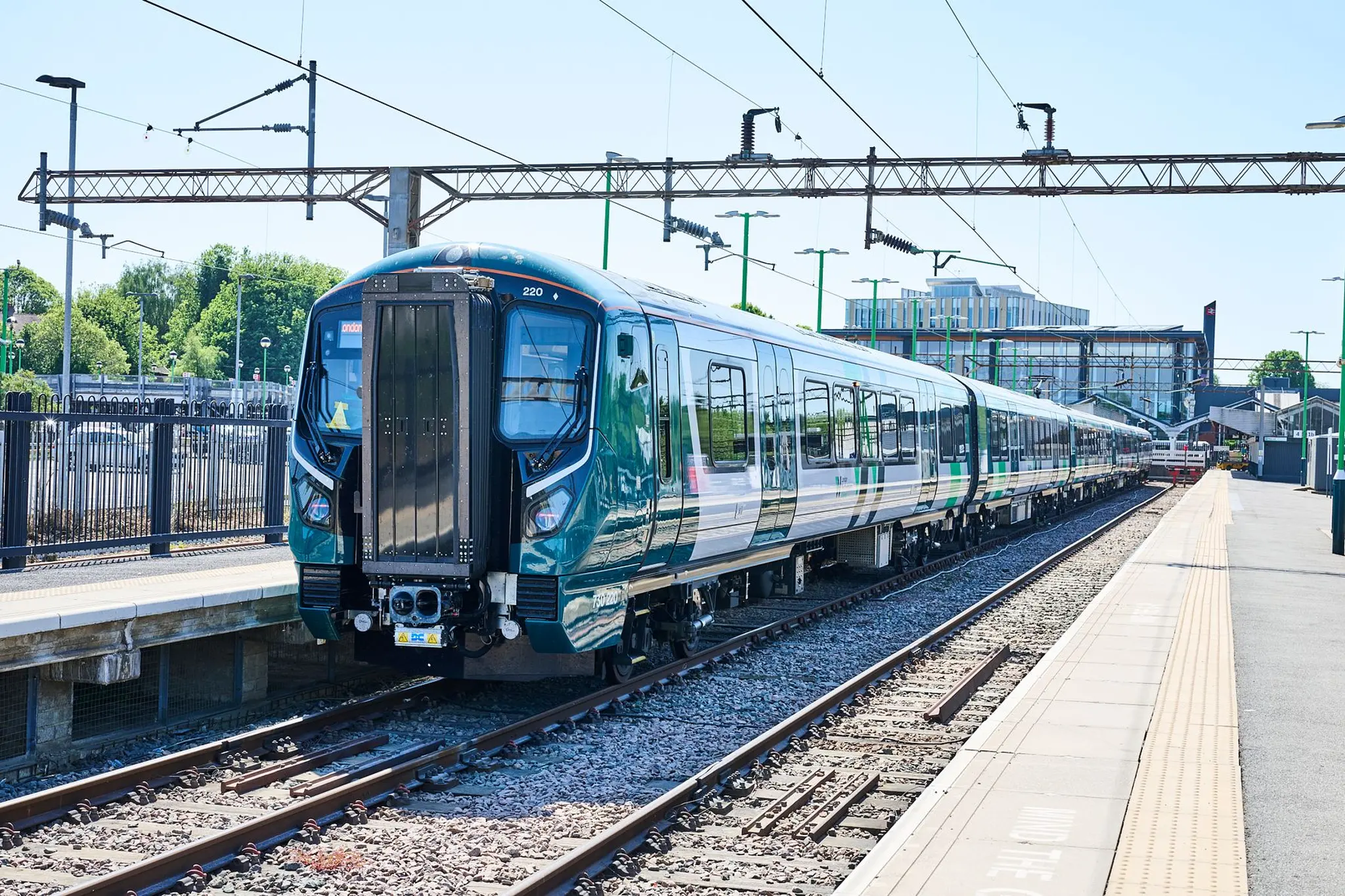
Rail passengers across the Midlands and on routes connecting Liverpool, Birmingham and London are entering a new era as London Northwestern Railway (LNR) and West Midlands Railway (WMR) officially return to public ownership. The move, which took effect on 1 February 2026, marks a significant changes to the UK rail system in recent years. According to the Department for Transport, the transfer brings the country “one step closer to a simpler, unified rail system under Great British Railways” . The decision follows years of debate over the performance of private operators and the long‑term sustainability of the franchising model. With more than 660 million passenger journeys supported by publicly owned rail services each year, the British government argues that the shift will deliver more reliable, better‑connected and more accountable services for communities across the region.
Why the services have returned to public ownership
The return of LNR and WMR to public ownership is part of a broader government strategy to reform Britain’s railways. The Department for Transport states that more than 8,500 publicly owned rail services now run daily across the country, supporting over 660 million passengers each year . This shift reflects a growing belief that public control can deliver more consistent performance, particularly on routes that have faced operational challenges. The government has emphasised that the move is not simply a reaction to past issues but a proactive step towards creating a more integrated and accountable rail system.
London Northwestern Railway and West Midlands Railway moved out of public ownership in 2017 when the West Midlands Trains franchise was awarded to a new consortium. Abellio, the Netherlands’ state‑owned rail operator, held a 70 per cent stake. East Japan Railway Company and Mitsui & Co. each held 15 per cent. The group took over from London Midland on 10 December 2017. Prior to this, services were run by London Midland under Govia.
What passengers can expect under the new structure
For passengers, the immediate impact of the transition is minimal in terms of day‑to‑day travel. London Northwestern Railway has confirmed that all existing tickets remain valid and that there are no changes to conditions of travel, timetables or station facilities following the transfer to DFTO . This continuity is designed to ensure a smooth transition while the new management structure begins implementing longer‑term improvements.
The government has emphasised that public ownership will support more reliable services, better integration with regional transport networks and a renewed focus on passenger satisfaction. With routes connecting major hubs such as Liverpool, Birmingham and London Euston, the performance of LNR and WMR is critical to both local and national mobility. The operators serve some of the busiest commuter corridors in the country, and the government argues that public control will allow for more strategic investment and planning.
EuroNewsweek is a dynamic news platform featuring lifestyle, sustainability, successful stories, tech, leadership, creative marketing, business, and the unstoppable people behind them.

You may like


EU extends emergency support as wildfires worsen in Serbia


Royal Society honours Northumbria team for reshaping STEM engagement


Why more UK businesses are choosing to repurpose rather than rebuild


Great Northern joins Stevenage FC players to support town’s homeless


London Waterloo adds dog patrols to security team


How much does it cost for a small business to exhibit at a London event?
Business
Why more UK businesses are choosing to repurpose rather than rebuild

Published
2 weeks agoon
August 27, 2026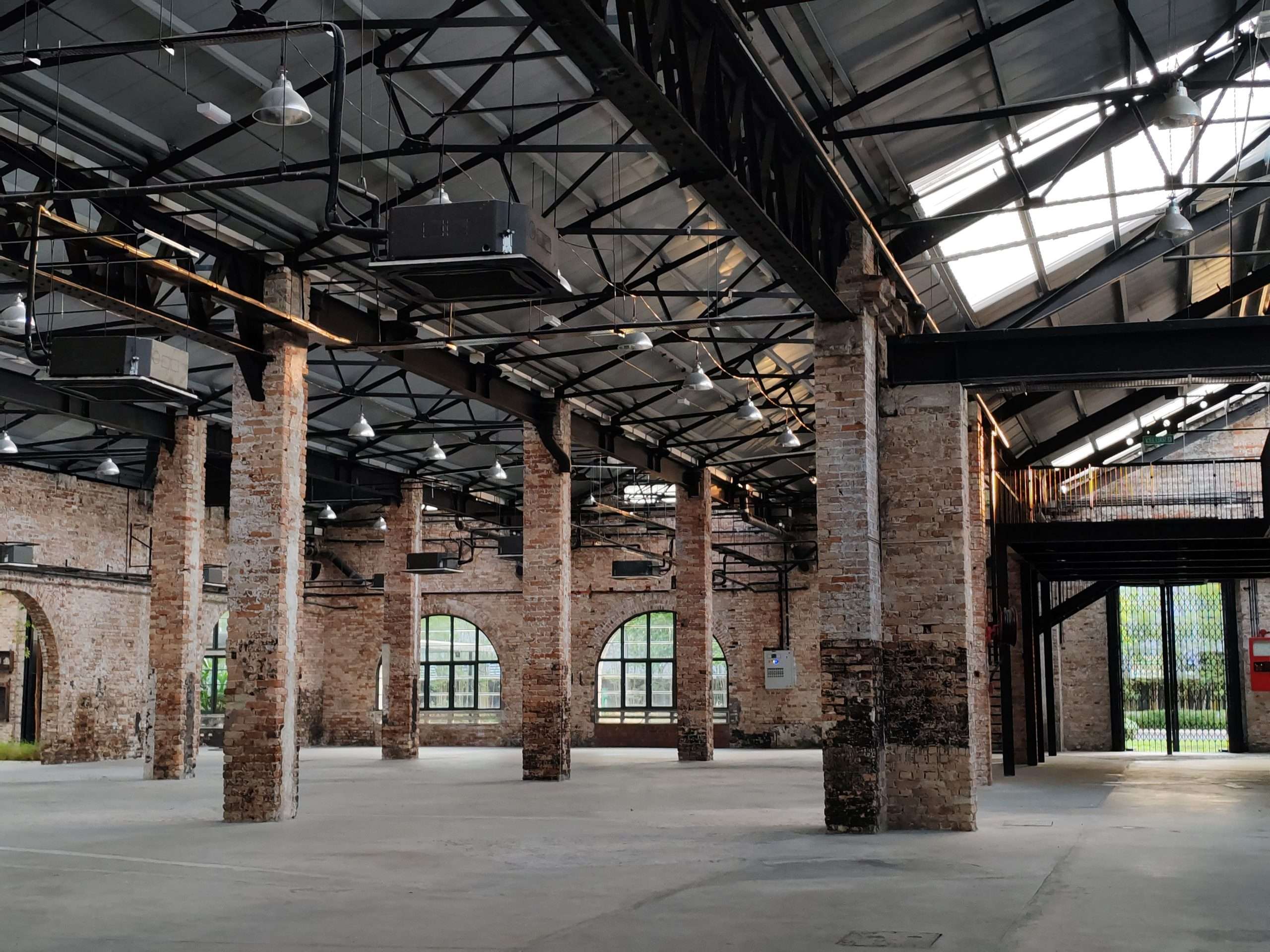
Rather than clearing a site and starting again, more UK businesses are choosing to work with what’s already there. Adaptive reuse, converting warehouses, former retail units, industrial buildings and dated offices into premises fit for modern use, is fast becoming a genuine growth strategy instead of a fallback option. As development costs rise, planning rules tighten, and sustainability expectations increase, the appeal of reworking existing structures has grown sharply. For many organisations, the ability to modernise a familiar building, reduce environmental impact, and avoid the disruption of relocation is becoming a practical and commercially attractive alternative to starting from scratch.
Why Adaptive Reuse Is Gaining Attention in the Commercial Sector
Interest in reuse has grown alongside a sharper understanding of the environmental cost of starting from scratch. Historic England’s research into embodied carbon found that refurbishing a typical building produces just a fraction of the emissions associated with demolishing it and constructing new, since so much of a building’s carbon footprint is locked into its original materials and structure. That evidence has shifted reuse from a niche, heritage-led choice into a mainstream consideration for developers and occupiers alike.
The Business Benefits of Repurposing Existing Buildings
Within the environmental case, reuse offers businesses a practical route to expansion. Converting an existing building is typically faster to deliver than a full redevelopment, avoids lengthy planning battles associated with new-build schemes, and lets a business retain a familiar location that staff and customers already know. For many organisations, that combination of speed and continuity outweighs the appeal of a brand-new but disruptive move.
Balancing Sustainability Goals With Commercial Growth
None of this means cutting corners on ambition. A converted warehouse or repurposed office can meet the same performance standards as a new building when the right upgrades are made, from improved insulation to more efficient heating and ventilation. The goal isn’t choosing between sustainability and growth but recognising that a well-executed reuse project can deliver both at once, often more affordably than starting again.
Modernising Older Properties for Today’s Business Needs
Older commercial buildings frequently fall short of what today’s occupiers expect, but that gap is rarely as difficult to close as it first appears. Bringing more daylight into a deep-plan warehouse or industrial unit, for instance through the addition of rooflights or roof windows, can change how usable a space feels without touching its footprint. JLL’s recent analysis of the UK office market highlights exactly this kind of targeted, lighter-touch refurbishment as one of the sector’s strongest opportunities, particularly in regional towns and cities where good-quality space is in short supply.
Creating Long-Term Value Through Strategic Refurbishment
Done well, reuse projects tend to hold their value over time instead of simply delaying the need for further work. A building refurbished with durability and future flexibility in mind, rather than the cheapest possible fix, is better placed to adapt to whatever a business needs next, whether that’s a change of use, a change of tenant, or simply changing working patterns.
Adaptive reuse won’t suit every site, but for a growing number of UK businesses it’s proving to be a more resilient path to growth: one that makes the most of what already exists rather than starting over.
Business
How much does it cost for a small business to exhibit at a London event?

Published
3 weeks agoon
August 21, 2026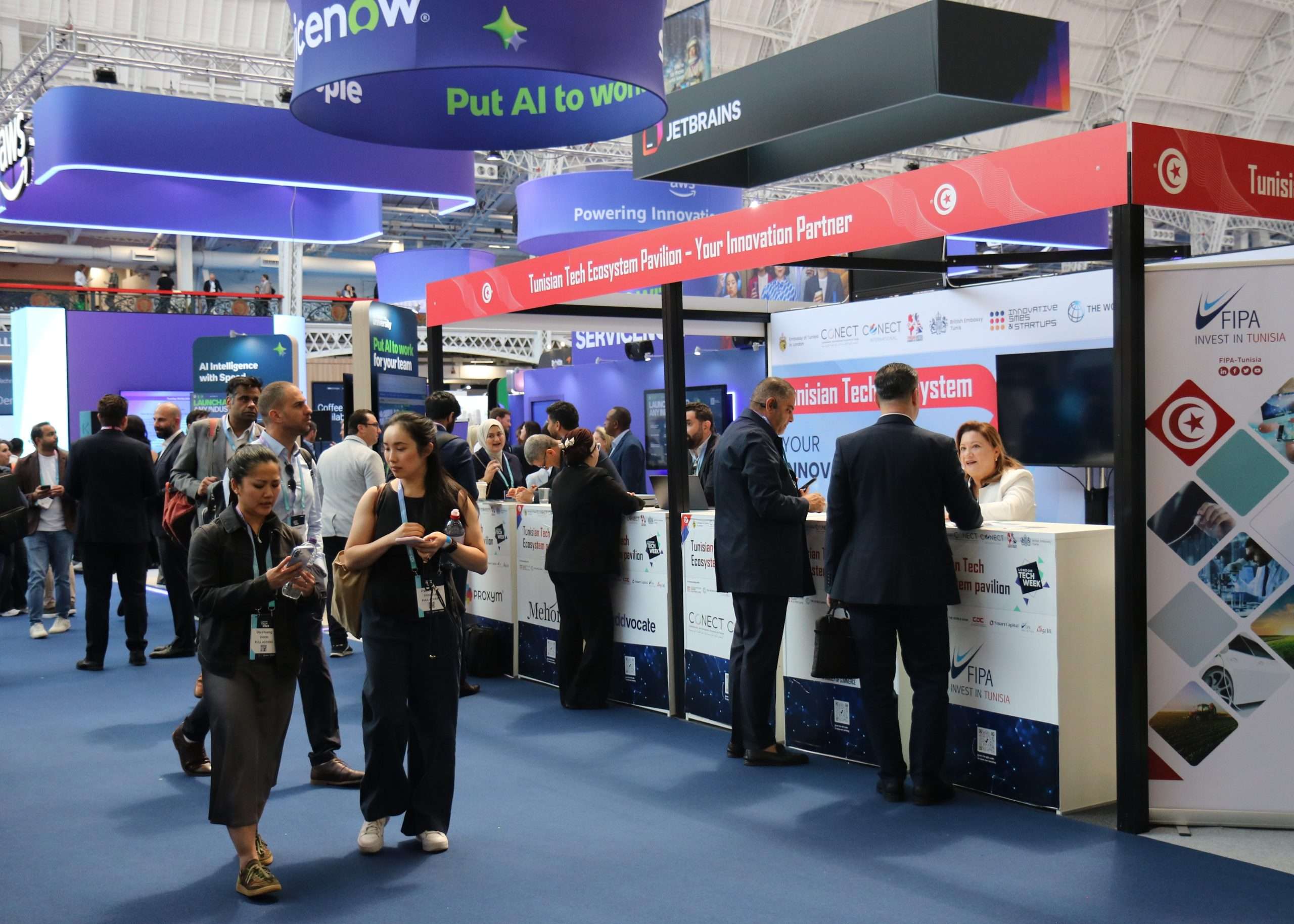
Exhibiting at a London trade show sounds fairly straightforward. Pay for a stand, bring some products, spend the day talking to potential customers and hopefully leave with enough leads to make the whole thing worthwhile.
Then you discover the stand needs electricity. And furniture. And graphics. And someone to staff it. And somewhere to store everything. And possibly Wi-Fi that costs more than your home broadband.
For a small business or startup, the real cost of exhibiting at a London event can range from a few thousand pounds to well into five figures.
So, if you’re considering your first exhibition, here’s what you should actually budget for in 2026 — and how packages that bundle together most of what you need can save you money and give you some peace of mind.
1. Exhibition space: from roughly £2,000
Your biggest expense will usually be simply getting onto the exhibition floor.
There isn’t a standard London rate. Smaller specialist events may offer packages for a few thousand pounds, while major exhibitions can more than £1,000 per square metre.
For a small company testing exhibiting for the first time, £3,000–£6,000 + VAT for the space alone is a realistic starting assumption.
And check exactly what “stand” means before signing anything.
2. The actual stand: £500–£5,000+
If you’ve bought a shell scheme, you’re usually getting the exhibition equivalent of an unfurnished flat: walls, flooring and perhaps basic lighting and a name board.
You still need to make it look like your company.
For a basic setup, you might spend £500–£1,500 on printed graphics, banners, counters and displays that can potentially be reused.
A custom-built stand is another world entirely. Once designers, builders, specialist materials, screens and installation become involved, several thousand pounds can disappear remarkably quickly.
If this is your first exhibition, reusable graphics and a simple stand are usually the more sensible option. Nobody has ever signed a £50,000 contract because your shelving had particularly beautiful curves.
3. Electricity, Wi-Fi and the boring extras: £200–£1,000+
Here lies one of the great joys of exhibiting: discovering that a plug socket is now a premium product.
A London event, earlier tis year, offered a basic 500W switched socket at around £169 on the early-booking rate. Lighting, additional power, internet connections, screens, cleaning and other services can all be separate.
Before booking, ask the organiser for the optional-services price list. It may tell you considerably more about your final bill than you imagine.
4. Staff: realistically from £150 per person, per day
Someone has to actually stand there.
If that’s you, there’s technically no additional payroll expense — although your time still has a cost, particularly when you’re the person who normally runs the business.
If you’re hiring temporary staff, remember that the legal National Living Wage for workers aged 21 and over is £12.71 an hour since April 2026. Your actual cost is likely to be higher once you account for the rate required to attract suitable event staff, agency fees where applicable and employer costs.
For budgeting purposes, allowing £150–£250 per person for a normal event day is a reasonable starting point for basic temporary staffing, with experienced salespeople, demonstrators or specialist staff costing considerably more.
5. Products, samples and giveaways: £100–£1,000+
Budget according to the cost of getting someone to remember or experience your product, instead of simply producing merchandise because exhibitions traditionally have merchandise.
For a small brand, £100–£500 might cover simple printed materials and samples. Product-heavy businesses could easily spend £1,000–£2,000 or more.
What matters is what you’re trying to achieve. A food or beauty brand, for example, will genuinely fare better with hundreds of samples rather than overly elaborate — and costly — merchandise with your logo on it. You’re welcome to spend enormous amounts of money on tote bags or magnets, but you don’t necessarily need them to make your participation in a trade show a success.
6. Transport, storage and logistics: £200–£500+
Then everything has to get there.
If your exhibition display fits into two suitcases, congratulations: you’ve won.
If you’re transporting boxes of stock, furniture, display equipment or large graphics into a major London venue, you’ll need to consider couriers, parking, loading restrictions, storage and potentially overnight accommodation for anyone travelling from outside London.
For a small London-based company with a simple setup, £200–£500 may be sufficient. Once vans, couriers and storage enter the equation, it can easily add up.
You don’t even need to be transporting items for an exhibition these days to expect to pay a premium rate to get stuff from A to B. Earlier this year, I bought a vintage bookcase on eBay for £250. To get it from Devon to London, the cheapest quote I managed to find from a delivery company was £175.
7. Consider events offering all-in-one packages
There is another model worth considering that can make exhibiting your business in London more affordable: events where most of those moving parts are bundled together.
Industry trade event Beauty Bulb Live London, taking place on 7 October 2026 at the Business Design Centre in Islington, for example, currently advertises a fixed £4,950 + VAT brand package. That includes a fully built brand pod, with its design, production, delivery and assembly handled by the organiser. The package also includes pre-event visibility, a digital platform listing, post-show buyer communications and structured introductions for selected brands.
“We are handling all logistics. It’s brand equal and human first, and we do all of the heavy lifting. We want people to leave our show feeling connected to our beauty community, and we are building something long term with this event. Our support doesn’t end once the show closes, and exhibitors remain on our digital platform, where they will be promoted to our entire sales channel network for three months post-show,” says British entrepreneur Faye Speedie, who launched Beauty Bulb in 2017.
How much should you budget for your trade show in London?
For a small business exhibiting at a London trade event in 2026, £4,000–£8,000 is a reasonable working budget for a modest professional presence, while larger shows, bigger stands and custom builds can push the cost past £10,000 very quickly.
But don’t start by asking, “How much is the stand?”
Ask what you’re getting for the money.
Does the price include the structure? Furniture? Electricity? Exhibitor passes? Marketing? Setup? Access to buyers? Lead capture? Wi-Fi?
And, most importantly, who is actually going to be in the room? Spending £5,000 to meet 50 genuinely relevant buyers could be considerably better value than spending £2,000 to meet 5,000 people who aren’t interested in buying anything from you.
Business
HMRC launches operation targeting dodgy barbers and vape shops
Published
3 weeks agoon
August 17, 2026
If you live in London and have noticed vape shops and barbers seemingly multiplying on a high street near you, you are not alone. The UK government department responsible for collecting taxes is stepping up its crackdown on suspected tax fraud and illegal activity on Britain’s high streets, with HMRC aiming to carry out more than 30,000 enforcement interventions in 2026.
Vape shops, nail salons, candy stores, barbers and other high street businesses suspected of breaking tax rules are among those in the spotlight, while members of the public are now being encouraged to also report suspicious activity.
Although not all lost tax revenue is the result of illegal businesses, the amount of tax owed that never reached HMRC is staggering. According to official government figures, the UK’s total tax gap for the 2024–25 tax year was estimated at £59.2 billion — money that HMRC says should theoretically have been collected but was not. Small businesses accounted for 62% of that tax gap, the largest share of any taxpayer group, amounting to roughly £36.7 billion.
Labour exploitation and sale of illicit goods also targeted
The enforcement drive is aimed at disrupting criminal networks involved in tax fraud, labour exploitation and the sale of illicit tobacco and vapes.
This latest push follows the launch of a £30 million High Street Organised Crime Unit in May, bringing HMRC together with Trading Standards, police, the Home Office and the National Crime Agency. HMRC has already demonstrated how the tougher approach could work. In June, officers carried out unannounced visits to six souvenir shops in central London alongside Immigration Enforcement, Trading Standards and Metropolitan Police officers.
Public urged to report suspected tax fraud
HMRC has also upgraded its online tax fraud reporting service, allowing people to provide information anonymously about suspected tax fraud, money laundering and other criminal activity.
“Too many high streets have been blighted by dodgy shops that harm local communities and undercut honest businesses.
“If you see something that doesn’t look right, like suspected tax fraud or money laundering, use HMRC’s fraud reporting service and help protect our high streets,” said Chancellor of the Exchequer John Healey.
People who believe a business may be involved in tax fraud or money laundering are being encouraged to use HMRC’s online Report Tax Fraud service rather than confront businesses themselves.
The system asks users for factual information about what they have witnessed and allows reports to be submitted anonymously.
HMRC says the intelligence will help its teams build a clearer picture of suspected criminal activity and target enforcement action more effectively as the nationwide high street crackdown gathers pace.


Trending

 Lifestyle4 weeks ago
UK Charity provides free coaching for young drivers
- Business3 weeks ago
How much does it cost for a small business to exhibit at a London event?

 Business3 weeks ago
HMRC launches operation targeting dodgy barbers and vape shops
- Lifestyle2 weeks ago
London Waterloo adds dog patrols to security team
- Good News2 weeks ago
Great Northern joins Stevenage FC players to support town’s homeless
- Business2 weeks ago
Why more UK businesses are choosing to repurpose rather than rebuild
- Good News2 weeks ago
Royal Society honours Northumbria team for reshaping STEM engagement

 Lifestyle1 week ago
243 arrests made on first full day of Notting Hill Carnival 2026